
Azuliana Tiles
Do you dream of an original, unique interior for your home or apartment? Are you tired of similar, mass-produced tiles that can be found in every building hypermarket? Do you want something that will be only yours and one-of-a-kind?
Or perhaps you love art and want your apartment to reflect your personality? Do you want to stand out and show off the character of the place that is your home?
If so, then my tiles are just for you. Take a look at my portfolio and see what I paint.
Why is it worth it?
Many uses for tiles
One can say that ceramic tiles have been accompanying people since the beginning of time, as the history of tiles dates back 5000 years. The ancient Egyptians were already engaged in the production of tiles. Tiles were also present in ancient Mesopotamia, and with Arab culture, they appeared in North Africa and Europe, especially on the Iberian Peninsula.
Of course, over the centuries, the production methods, design, motifs, and colors have changed. Nevertheless, it is amazing that people have practically always strived to decorate meeting places, temples, palaces, or just their homes.
Why is it worth it?
Hand painted ceramic tiles
unique
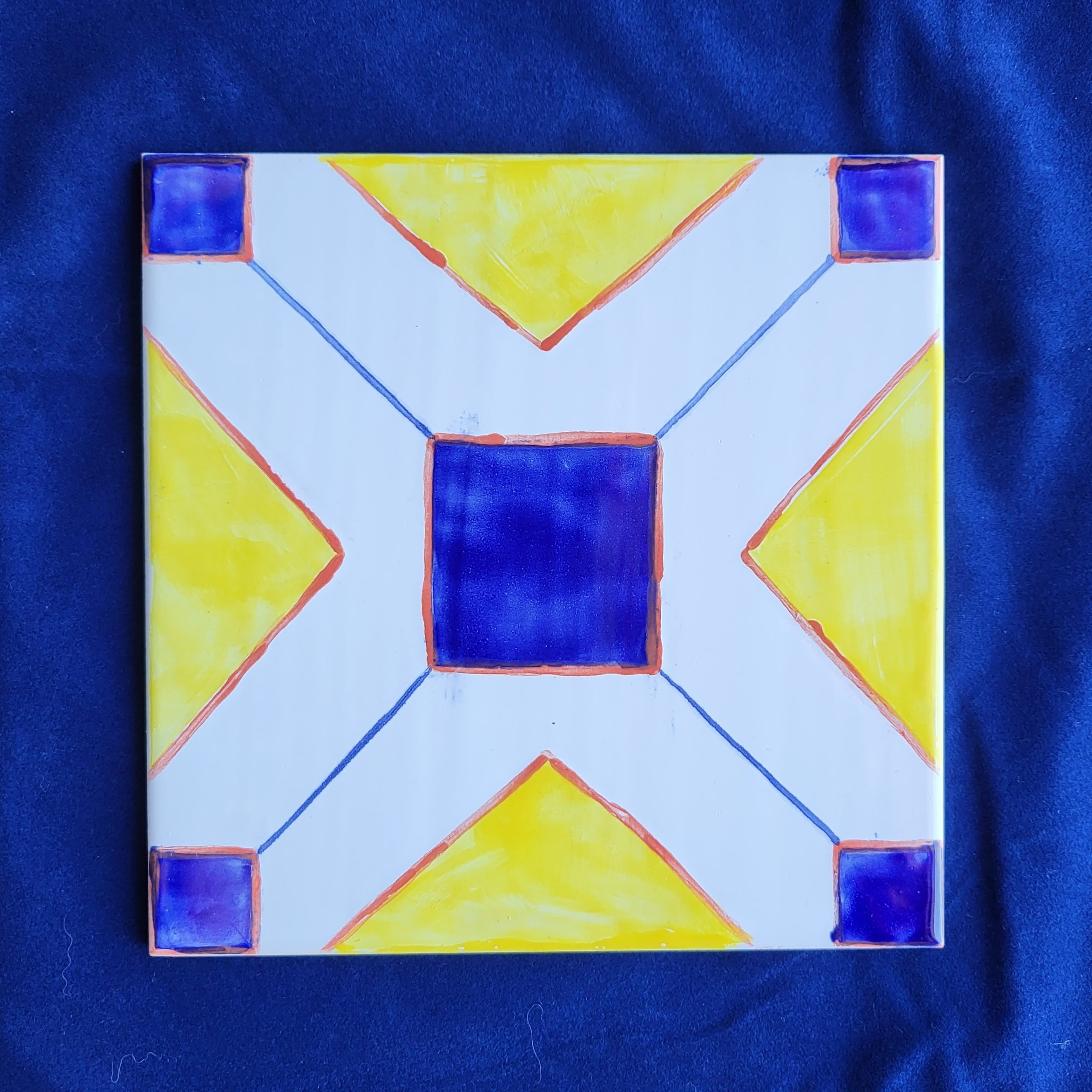
Because they are unique, one of a kind, and no one else will have the same! Each tile is hand-painted, making it unique and one-of-a-kind. You won't find identical tiles in any other home or building.
Hand-painted
Hand-painted tiles allow you to add a personal touch to your home. You can choose colors, patterns, and motifs that reflect your personal style and taste.
High quality materials
The tiles I paint are made of high-quality materials. They are also practical, resistant to temperature, and easy to maintain.
Artistic expression
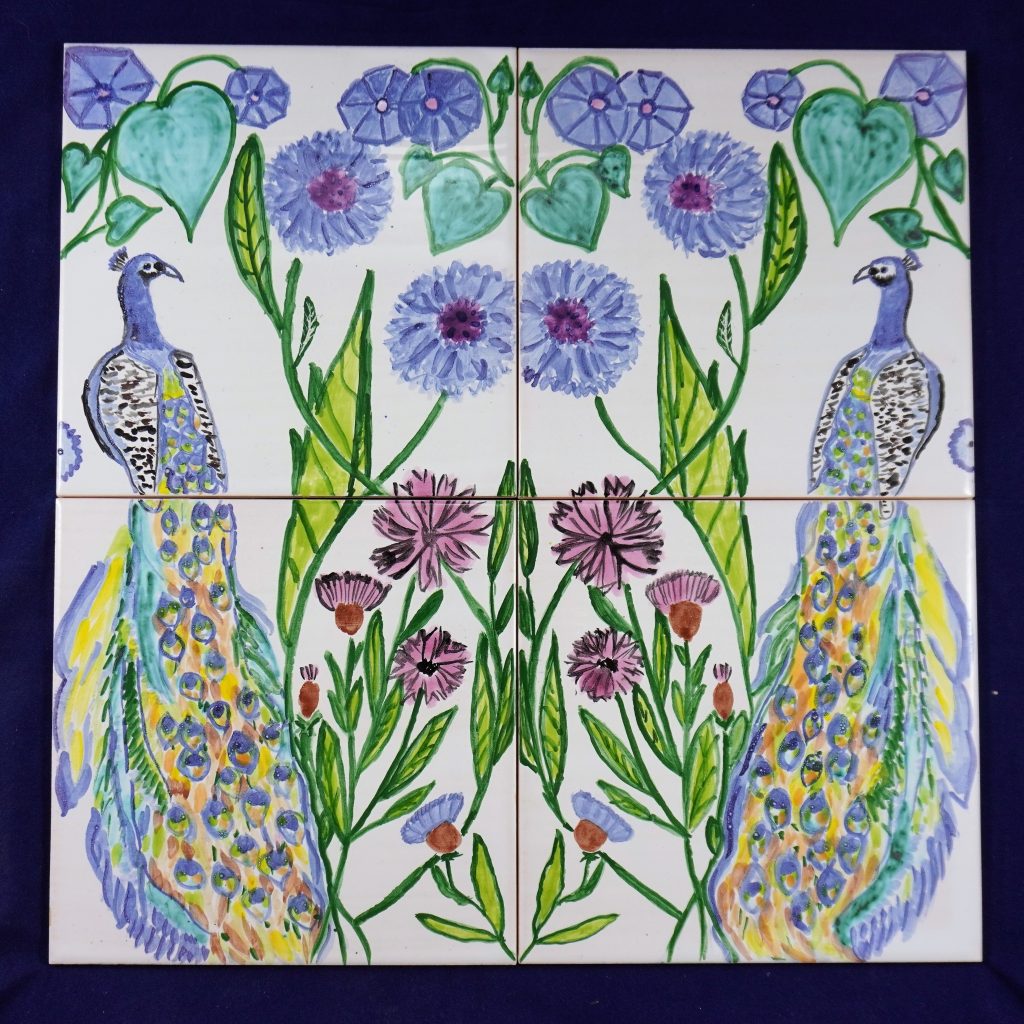
Furthermore, tiles are also a form of artistic expression. They can be used to create beautiful murals, mosaics, and other decorative elements that enhance the aesthetic value of any room. Beautiful panels can be made from tiles - compositions of several tiles combined into one beautiful image - to hang on the wall as an original work of art.
Many uses for tiles
They can be placed on walls - they work great in the kitchen or bathroom. They can be laid on the entire wall, but they can also serve as decoration, for example, above the stove in the kitchen or as a decorative element in the bathroom. We can lay them under the stairs to add character to the interior of our home. We can combine them with wood or other tiles. What's more, the tiles can also be used as a pad for a hot dish or a cup of tea. There are many uses for tiles!
Possibility of personalized orders
There are many other possibilities for using tiles. I am open to your proposals and suggestions. I would be happy to hear them!
And what is azulejo?
The word itself in Spanish or Portuguese simply means tile. The name probably comes from the Arabic language and means “small smooth stone” or from the word “azul,” which in Portuguese and Spanish means “blue.”
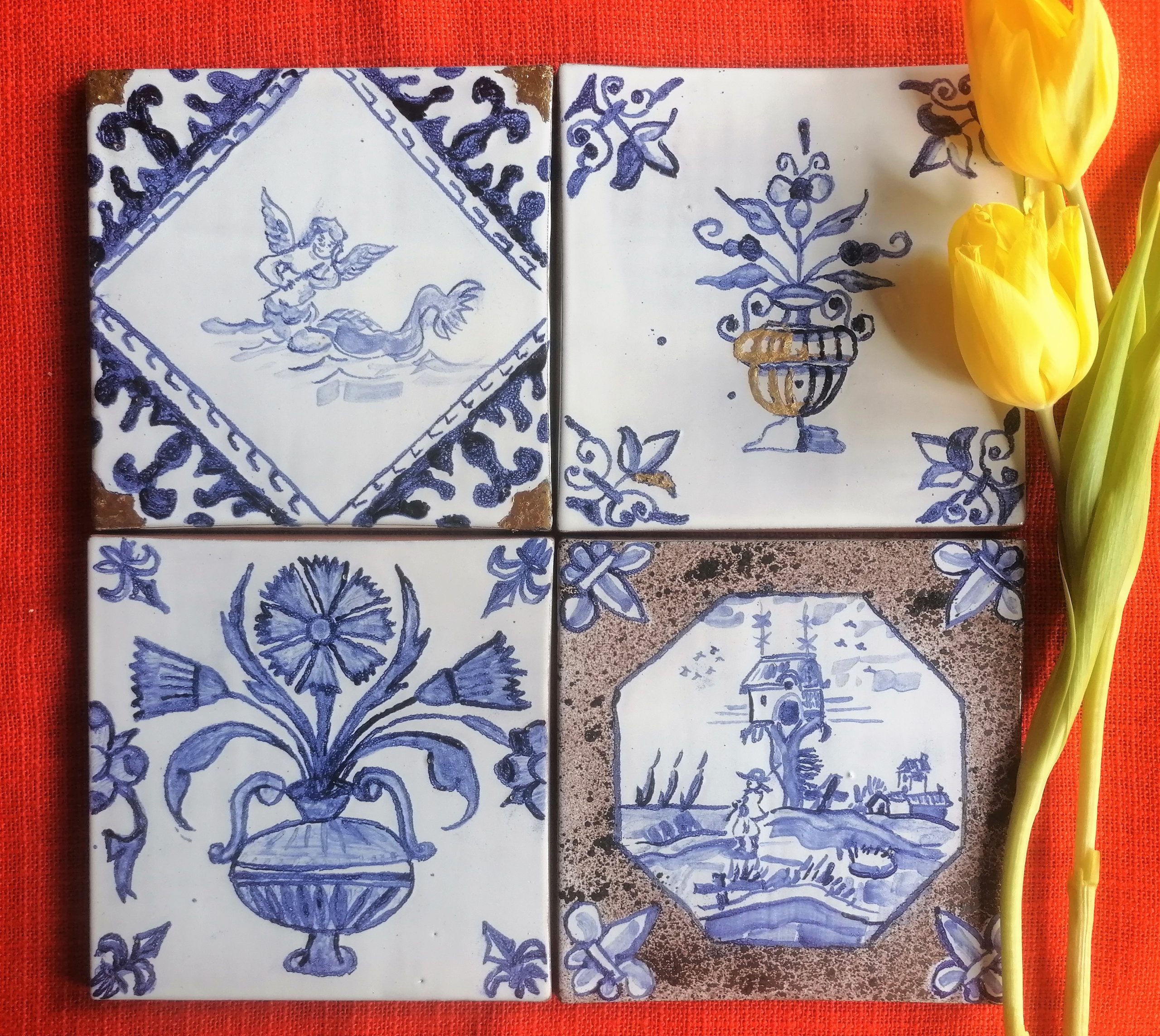
Azulejos have been used for centuries to decorate walls, floors, and other surfaces, including churches, palaces, homes, and other public buildings. They are most often found in blue color but can also come in other colors, consisting of geometric patterns or depicting figurative scenes and landscapes.
The history of azulejos in Portugal dates back to the Middle Ages, when Moorish craftsmen introduced the technology of producing ceramic tiles decorated with magnificent patterns. In the 17th and 18th centuries, azulejos became one of the most important elements of Portuguese architecture and art. Many artists were engaged in the production of azulejos, and their patterns often referred to religious scenes, landscapes, mythology, and the history of Portugal. At that time, large panels consisting of many tiles were also created, decorating the walls of churches and palaces.
In Spain, azulejos also play an important role in the architecture and decoration of buildings. They are particularly popular in the southern part of the country, in Andalusia, where they often decorate the walls of houses, churches, and palaces. In Spain, azulejos are often decorated with geometric, floral, or religious scenes.
Azulejos are still produced in Portugal and Spain, using both traditional methods and modern technologies. They are not only a decorative element but also an important part of the cultural heritage of these countries.
Novelties


Contact
If you have any questions or are interested in my tiles, please contact me. I will be happy to answer all your questions!